
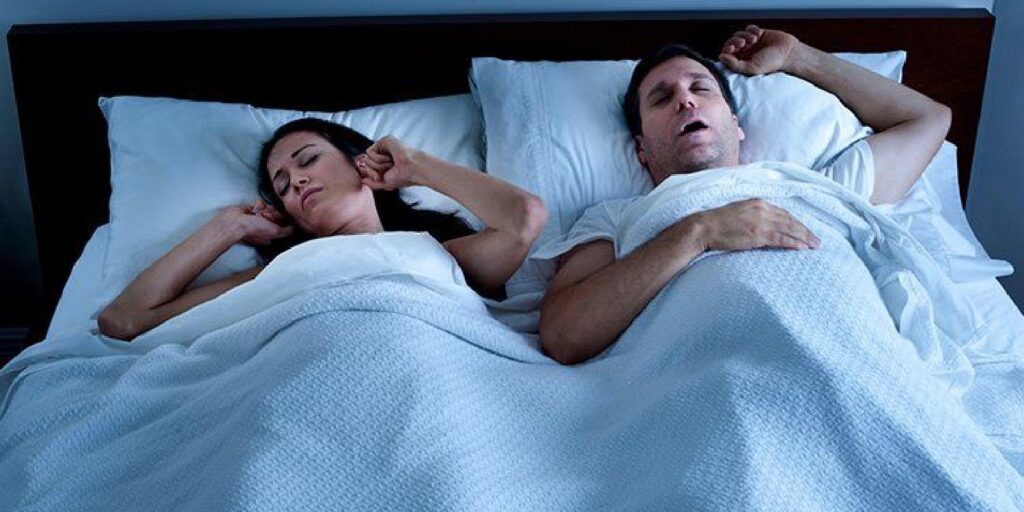
Sleep is vital for maintaining overall health, yet many individuals unknowingly suffer from sleep apnea—a condition that disrupts normal breathing during sleep. As an Orofacial Pain Specialist, I want to help you understand this condition, as it not only affects your sleep but can have serious implications for your well-being.
What is Sleep Apnea?
Sleep apnea is a disorder where your breathing temporarily stops or becomes shallow during sleep. These pauses can last from a few seconds to a minute and often result in disrupted sleep and lower oxygen levels in the body. There are three main types of sleep apnea:
- Obstructive Sleep Apnea (OSA): The most common type, caused by the relaxation of throat muscles that block the airway.
- Central Sleep Apnea: Occurs when the brain fails to send proper signals to control breathing.
- Complex Sleep Apnea Syndrome: A combination of both obstructive and central types.
Symptoms of Sleep Apnea
Common signs and symptoms include:
- Loud snoring
- Episodes of stopped breathing (noticed by a partner)
- Gasping or choking during sleep
- Excessive daytime sleepiness
- Morning headaches
- Difficulty concentrating
- Irritability or mood changes
Causes and Risk Factors
Certain factors increase the likelihood of sleep apnea, including:
- Physical Attributes: Excess weight, a large neck circumference, or a narrow airway.
- Lifestyle Habits: Smoking and alcohol consumption can relax throat muscles, worsening symptoms.
- Medical Conditions: Conditions like high blood pressure, diabetes, or nasal congestion.
- Age and Gender: Sleep apnea is more common in older adults and men.
Why Treating Sleep Apnea is Essential
If left untreated, sleep apnea can lead to:
- Cardiovascular problems such as high blood pressure, heart attack, or stroke.
- Increased risk of diabetes.
- Fatigue-related accidents or impaired job performance.
- Poor quality of life due to mood disturbances or lack of energy.
Diagnosis and Treatment Options
Diagnosing sleep apnea typically involves a sleep study (polysomnography), which monitors your breathing patterns during sleep.
Treatment options vary depending on the severity of the condition:
- Lifestyle Modifications: Weight loss, regular exercise, and avoiding alcohol and smoking can help.
- Continuous Positive Airway Pressure (CPAP): A machine that delivers air pressure to keep your airway open.
- Oral Appliances: Custom-made devices designed to maintain airflow by repositioning the jaw or tongue.
- Surgical Intervention: In severe cases, surgery may be considered to remove excess tissue or correct structural issues.
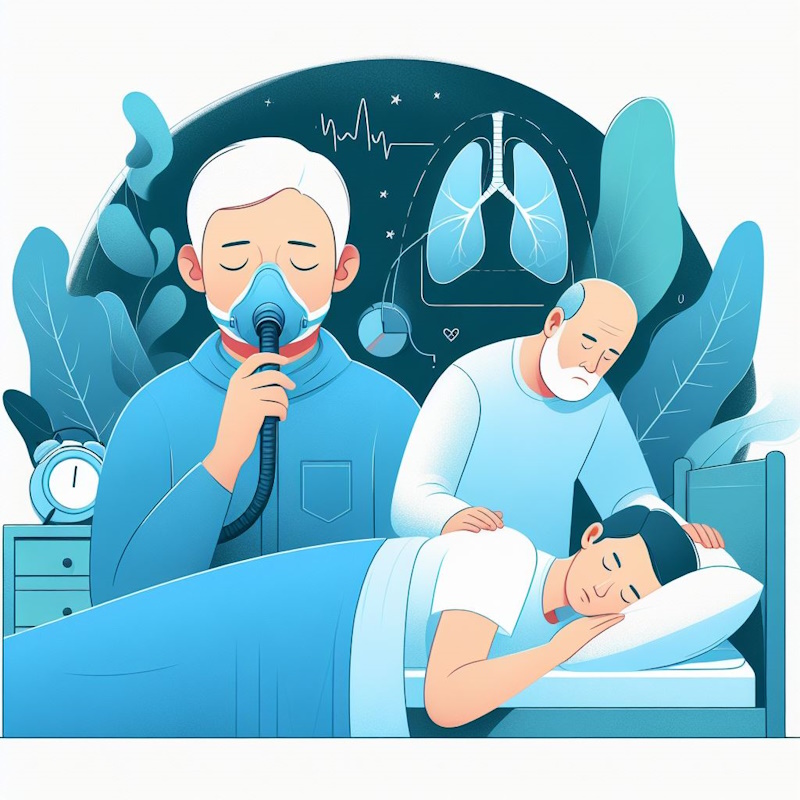
Sleep-related breathing disorders through the lens of the airway, jaw, face and sleep — with diagnosis-led, collaborative care.
Sleep, Airway & Jaw Assessment
We don’t treat the sleep report in isolation. We look at the patient.
You may be sleeping.
But are you breathing well?
Sleep-related breathing disorders can affect sleep quality, daytime function, jaw health and overall well-being.
Sleep & Airway Assessment at Neocare
Who should consider an evaluation?
- Loud or habitual snoring
- Witnessed pauses in breathing
- Gasping/choking during sleep
- Morning headaches
- Excessive daytime sleepiness
- Dry mouth on waking
- Poor-quality or fragmented sleep
- Morning jaw pain or stiffness
- Night-time clenching/grinding
- Difficulty tolerating CPAP
- Persistent symptoms despite treatment
Sleep apnea isn’t diagnosed from one symptom.
We need to go through the following steps to arrive at a plan of action.
History → examination → appropriate sleep testing → interpretation → treatment planning → follow-up
Why does an Orofacial Pain specialist evaluate sleep?
These structures are related:
Jaw
↓
Tongue
↓
Upper airway
↓
Sleep
↓
Breathing
The craniofacial structures are part of the upper-airway system, which is why the jaw, tongue, oral structures and airway can be relevant when evaluating sleep-related breathing problems.
The ADA similarly describes dentists as being well positioned to identify craniofacial and oral features associated with OSA and to collaborate with medical/sleep specialists.
What happens at Neocare?
1. Clinical assessment
↓
2. Sleep & airway history
↓
3. Craniofacial examination
↓
4. Review of sleep study / referral for appropriate testing
↓
5. Diagnosis-led treatment planning
↓
6. Collaboration with relevant specialists
↓
7. Follow-up
Treatment
Depending on the individual patient, care may involve:
- medical/sleep specialist management
- PAP therapy
- oral appliance therapy where appropriate
- behavioural/lifestyle measures
- airway/ENT assessment
- management of associated jaw/TMD problems
- monitoring and follow-up
Understanding and managing sleep apnea can significantly improve your health and quality of life. If you suspect you may have sleep apnea, seek medical evaluation without delay. Treatment is tailored to your needs, and with the right approach, restful nights and refreshed mornings can become a reality.